










A virtual Chief Information Security Officer (vCISO) delivers executive-level cybersecurity leadership without the full-time executive price tag. They build your security strategy, manage compliance requirements, oversee risk assessment, and translate technical threats into business language your board understands. Unlike traditional CISOs who work on-site as permanent staff, a vCISO operates remotely on a fractional basis, whether that’s retainer-based, project-specific, or hourly.
That’s the textbook answer. Here’s what it actually means for your organization.
You get Fortune 500-level security expertise without paying $250,000 to $500,000 annually for a full-time CISO. You get someone who’s seen dozens of security programs across multiple industries, not just one organization’s approach. And you get flexibility to scale engagement up during audits or incidents, then down during quieter periods.
Most SMEs don’t need a full-time security executive. They need someone who can assess their current posture, build a realistic roadmap, handle compliance frameworks like SOC 2 or ISO 27001, and be available when incidents hit. That’s exactly what a vCISO provides.
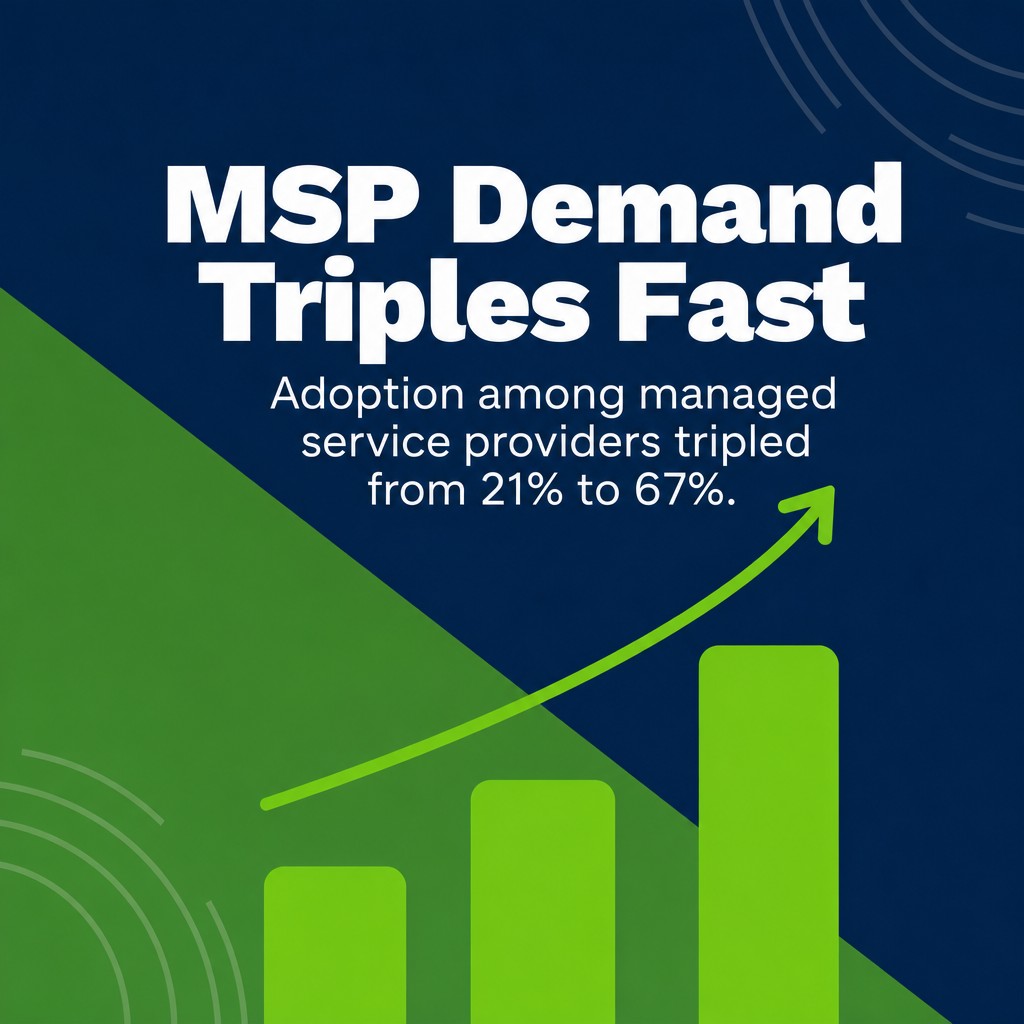
The market’s moving fast here. Over 60% of mid-sized businesses planned to adopt vCISO services in 2025, and adoption among managed service providers tripled from 21% to 67%. Business leaders are realizing that cybersecurity leadership doesn’t require a corner office.

This guide breaks down what vCISO services actually include, how they differ from hiring full-time, what engagement models exist, pricing realities, and how to know if your business actually needs one. No jargon. No vendor fluff. Just the practical details you need to make a smart decision.
What Is a Virtual CISO and How Do They Actually Work?
A virtual CISO is a senior cybersecurity executive who provides strategic security leadership to your organization on a part-time or contract basis. They don’t sit in your office every day. They don’t need a dedicated workspace or company laptop.
What they do is own your security program at the executive level.
They assess where your security posture stands today. They identify the gaps that could lead to breaches or compliance failures. They build a strategic roadmap that prioritizes fixes based on actual risk, not vendor fear tactics. They communicate security issues to your board or executive team in business terms, not technical jargon.
The “virtual” part means they work remotely and typically serve multiple clients. That’s not a limitation. It’s an advantage. They bring patterns and solutions from other industries and use cases. They’ve seen what works and what wastes money.
Unlike a security consultant who drops off a report and disappears, a vCISO stays engaged with your organization. They attend leadership meetings. They guide your IT team on security implementations. They respond when incidents happen. They track metrics and adjust strategy as your business evolves.
Unlike a managed security service provider (MSSP) focused on operational tasks like monitoring and patching, a vCISO operates at the strategic layer. They decide what security controls you need. The MSSP implements and maintains them.
Think of it this way: an MSSP is your security operations team. A vCISO is the executive who leads that team and connects security decisions to business objectives.
The role requires deep expertise. Most vCISOs have 15-plus years in cybersecurity, often with experience as full-time CISOs at larger organizations. They understand frameworks like NIST, ISO 27001, and CIS Controls. They know regulatory requirements for industries like healthcare (HIPAA), finance (GLBA), and technology (GDPR, SOC 2).
They also understand something more important: how to make security work within budget constraints and competing business priorities. That practical judgment separates effective vCISOs from paper-certified consultants.
How a Virtual CISO Differs from a Full-Time CISO
The core difference is commitment structure, not capability level. A full-time CISO works exclusively for your organization as a permanent executive. They’re on-site (or fully remote within your org). They attend every leadership meeting. They’re available whenever you need them.
A vCISO works for multiple clients. They dedicate specific hours to your organization, whether that’s 10 hours per month or 80 hours per month depending on your engagement model and needs.
That sounds like a downgrade. Here’s why it often isn’t.
Cost Structure Reality
Full-time CISO compensation runs $250,000 to $500,000+ annually according to market data, with some sources showing averages around $583,000 at larger organizations. Add benefits, bonuses, and equity, and total compensation easily exceeds $350,000 for mid-market companies.
Virtual arrangements typically cost 30-70% less than hiring a dedicated executive. You’re paying for expertise when you need it, not funding idle capacity during normal operations.

Most SMEs don’t have 40 hours per week of strategic security work. They have 10-15 hours of strategic work and lots of operational execution that IT teams or MSSPs handle more efficiently. Paying full-time executive rates for part-time strategic needs wastes money.
Breadth of Experience
A full-time CISO develops deep knowledge of your specific organization. They know your systems, your people, your business processes intimately. That depth is valuable.
A vCISO brings breadth. They’ve built security programs across multiple industries. They’ve handled incidents at different organization types. They know which security investments deliver real risk reduction and which are vendor theater.
When your full-time CISO faces a new challenge, they research solutions and make their best judgment. When your vCISO faces that same challenge, they’ve likely solved it three times already at other clients.
Availability and Scalability
Full-time CISOs provide consistent availability. That’s important if you’re in a highly regulated industry with constant audit requirements or if you face frequent security incidents.
vCISOs offer flexible scaling. Need extra hours during your SOC 2 audit? They’re available. Facing a security incident? They can increase engagement temporarily. Between major initiatives? Scale back to maintenance-level hours.
This flexibility matters more than most executives realize. Security needs spike and dip throughout the year. Paying for consistent full-time capacity when your needs vary wastes budget that could fund actual security controls.
Organizational Fit Considerations
Full-time CISOs integrate deeply into your culture. They build relationships across departments. They understand political dynamics and can navigate internal resistance to security changes more effectively.
vCISOs work through your existing IT leadership or report directly to the CEO or board. They need strong internal champions to implement their recommendations. Without someone internally owning execution, vCISO strategies can stall.
Organizations with mature IT teams and strong operational discipline succeed with vCISOs. Organizations with chaotic IT operations and unclear accountability often need full-time leadership to drive change.
| Aspect | Full-Time CISO | Virtual CISO |
|---|---|---|
| Cost | $250K-$500K+ annually | 30-70% less (fractional basis) |
| Availability | Dedicated, on-demand | Scheduled hours, scalable |
| Experience Breadth | Deep organizational knowledge | Cross-industry pattern recognition |
| Deployment Speed | 3-6 month hiring process | Days to weeks |
| Best For | Large orgs, regulated industries | SMEs, growth companies, project needs |
The choice isn’t about which is “better.” It’s about which model fits your organization’s actual needs, budget, and operational maturity. Many successful companies use vCISOs for years without ever hiring full-time. Others use vCISOs as interim leadership while building internal security capabilities.
Core Services and Responsibilities of a Virtual CISO
A vCISO owns your security program at the strategic and governance level. That means different things depending on where your organization stands today. If you’re starting from scratch, they build your entire security foundation. If you have existing security investments, they audit what’s working and optimize what isn’t.
Here’s what that looks like in practice.
Security Strategy and Roadmap Development
Every vCISO engagement starts with assessment. They map your current security posture against industry frameworks and regulatory requirements. They identify gaps. They prioritize risks based on business impact, not fear-mongering vendor claims.
Then they build a roadmap. This isn’t a 50-page document that sits on a shelf. It’s a practical plan showing which security controls to implement in what order, why each matters, and what budget you’ll need.
Good vCISOs align this roadmap to business objectives. If you’re preparing for Series B funding, they prioritize controls investors expect. If you’re entering healthcare markets, they focus on HIPAA requirements. If you’re growing internationally, they address GDPR compliance.
Risk Management and Assessment
vCISOs establish formal risk management processes. They identify assets that matter most to your business. They assess threats realistically (not hypothetically). They calculate actual risk exposure.
This includes vulnerability management, threat intelligence relevant to your industry, and third-party risk assessment for vendors who access your systems or data. They don’t just identify risks. They help you decide which risks to fix immediately, which to accept temporarily, and which to transfer through insurance or contracts.
Organizations without formal risk management make reactive decisions. Every security incident feels like an emergency. Every sales prospect’s security questionnaire triggers panic. A vCISO replaces that chaos with systematic risk prioritization.
Compliance and Regulatory Oversight
Compliance is where vCISOs deliver immediate ROI for many organizations. 77% of C-suite executives view compliance as a key business enabler, not just a checkbox exercise.

vCISOs guide you through SOC 2, ISO 27001, HIPAA, PCI DSS, or whatever frameworks your customers or regulations require. They map existing controls to framework requirements, identify gaps, and oversee remediation.
More importantly, they handle auditor relationships. They prepare evidence. They answer auditor questions. They negotiate findings. This alone saves organizations hundreds of hours of internal staff time during audits.
They also keep your compliance posture current. Frameworks change. New regulations emerge. A vCISO tracks those changes and updates your program accordingly, preventing the expensive surprise of failed audits.
Security Program Management
Someone needs to own your security program day-to-day. In organizations with full-time CISOs, that’s obvious. Without one, security responsibilities scatter across IT, operations, and compliance teams with no clear ownership.
A vCISO provides that ownership. They establish security policies and procedures. They define security roles and responsibilities across your organization. They set security metrics and track them monthly.
They also manage security projects. New firewall implementation? The vCISO defines requirements and validates vendor proposals. Security awareness training? The vCISO designs the program and measures effectiveness. Incident response plan? The vCISO writes it and conducts tabletop exercises.
Vendor and Technology Management
Security vendors love selling to organizations without security leadership. You’ll hear claims about AI-powered threat detection and next-generation zero-trust architectures. Most of it is marketing noise.
A vCISO evaluates security tools based on your actual needs and integration capabilities. They know which tools deliver value and which duplicate functionality you already own. They negotiate contracts because they understand market rates.
They also manage relationships with MSSPs, penetration testing firms, and other security service providers. They review their work quality, validate their findings, and hold them accountable to SLAs.
Incident Response and Crisis Management
When security incidents happen, organizations without senior security leadership panic. Who makes decisions about whether to pay ransomware demands? Who communicates with customers about data breaches? Who coordinates with legal counsel and cyber insurance carriers?
A vCISO leads incident response. They activate your incident response plan. They coordinate technical investigation with your IT team or MSSP. They manage communications with stakeholders. They document everything for post-incident reviews and potential regulatory reporting.
69% of companies have experienced ransomware attacks. Having someone who’s handled these situations before makes the difference between controlled recovery and business-threatening chaos.

Board and Executive Communication
Technical security teams struggle to communicate risk to non-technical executives. They talk about vulnerabilities and attack vectors. Executives need to understand business impact and resource requirements.
vCISOs translate technical risk into business language. They present security posture updates to your board or executive team. They explain why specific security investments matter in terms of customer trust, regulatory compliance, and business continuity.
They also educate leadership on their security responsibilities, especially around governance, risk oversight, and regulatory obligations that fall on executives personally in some industries.
Key Benefits of Hiring a Virtual CISO
The benefits go beyond cost savings, though that’s where most organizations start. Virtual CISO services deliver strategic value that changes how your organization approaches cybersecurity.
Enterprise-Level Expertise Without Enterprise Costs
You’re buying access to security expertise that typically lives in organizations 10x your size. A vCISO with 20 years of experience leading security programs at Fortune 500 companies now advises your 75-person company.
That expertise includes technical knowledge, but extends to strategic judgment. They’ve made security investment decisions with million-dollar budgets. They’ve navigated regulatory investigations. They’ve testified to boards about security incidents.
You’re also buying vendor-neutral advice. vCISOs don’t earn commissions from security tool vendors. Their recommendations serve your needs, not vendor quotas.
Rapid Deployment and Immediate Impact
Hiring a full-time CISO takes months. Post the role, screen candidates, conduct interviews, negotiate offers, wait for notice periods at their current employer. You’re looking at 3-6 months minimum.
A vCISO can start within days or weeks. Most firms maintain bench capacity specifically for rapid deployment. Your first security assessment happens in week one, not month four.
This speed matters during critical windows. Preparing for customer security audits? Responding to security incidents? Addressing investor due diligence? Waiting six months for full-time hiring isn’t an option.
Flexible Engagement and Budget Predictability
Your security needs aren’t constant throughout the year. They spike during compliance audits, security assessments, and incident response. They dip during normal operations.
vCISO engagements scale with your needs. Start with 10 hours monthly for program maintenance. Increase to 40 hours monthly during your SOC 2 audit. Drop back to 15 hours once you’re certified.
This flexibility extends to budget predictability. You know your monthly vCISO costs. No surprise bonus expectations. No benefits cost increases. No equity dilution. Just predictable professional services fees.
Cross-Industry Pattern Recognition
A full-time CISO at your company knows your industry deeply. A vCISO serving clients across finance, healthcare, technology, and professional services sees patterns your full-time CISO never encounters.
They know which security approaches work universally and which require industry-specific customization. They bring solutions from one industry to solve problems in another. They’ve seen regulatory interpretations across multiple auditors and can navigate ambiguous requirements more confidently.
This breadth prevents the security program tunnel vision that happens when organizations only learn from their own experience.
Built-In Succession Planning
Full-time CISOs leave. They get recruited away. They burn out. They retire. Suddenly your security program leadership vanishes, and you’re back to square one.
vCISO firms provide continuity. Your individual vCISO might change, but your security program doesn’t depend on one person. The firm maintains documentation, knows your environment, and can transition new vCISOs seamlessly.
This built-in succession planning eliminates the single point of failure risk that comes with full-time security executives.
Objective Outside Perspective
Internal executives develop blind spots. They get comfortable with accepted risks. They avoid challenging powerful stakeholders who resist security changes. They inherit legacy decisions and defend them even when better options exist.
A vCISO brings outside perspective. They question assumptions. They challenge security theater that looks good but delivers no risk reduction. They push for uncomfortable but necessary changes because their role isn’t tied to internal politics.
This objectivity is especially valuable during security program audits and major strategic shifts where honest assessment matters more than diplomatic consensus.
Clear Signs Your Business Needs a Virtual CISO
Not every organization needs a vCISO. Small businesses with basic security needs and minimal compliance requirements can often handle security through their IT team or MSP. Here’s how to know if you’ve outgrown that approach.
Customers Are Asking Security Questions You Can’t Answer
Your sales team keeps forwarding security questionnaires. Prospects want SOC 2 reports. Enterprise customers require security assessments before signing contracts. You’re cobbling together answers from various team members, and it’s slowing deals.
This signals you’ve reached the stage where security affects revenue. Your IT team can secure systems, but they can’t articulate security posture in the business language that customers and auditors expect. You need someone who speaks both languages fluently.
You’re Pursuing or Required to Maintain Compliance Certifications
SOC 2, ISO 27001, HIPAA, PCI DSS, or other frameworks aren’t optional anymore. Your customers require them, or regulations mandate them. Your first audit is approaching, and you’re not sure where to start.
Compliance frameworks require executive-level oversight. Auditors expect to interview someone with strategic security responsibility. Your IT director can implement controls, but auditors want to speak with someone at the leadership level who owns the security program.
Noncompliance factors add approximately $174K to breach expenses. Getting compliance right from the start prevents expensive remediation and failed audits later.
You’ve Experienced or Nearly Experienced a Security Incident
Ransomware hit your systems. A phishing attack compromised employee credentials. A vendor breach exposed your data. Or you got lucky and nothing catastrophic happened, but close calls revealed how unprepared you actually are.
Incidents expose security program gaps that normal operations hide. After an incident, organizations need someone to conduct post-incident reviews, identify root causes, implement preventive controls, and rebuild stakeholder confidence. That’s vCISO work.
Your IT Team Is Overwhelmed with Security Responsibilities
Your IT director handles infrastructure, user support, and security simultaneously. Security tasks get deprioritized when operational issues arise. Security projects drag on for months. No one has time to develop strategy beyond firefighting.
IT teams excel at implementing security controls. They struggle with strategic security program development because it’s fundamentally different work requiring different expertise. You need security leadership that isn’t competing with help desk tickets for attention.
Investors or Board Members Are Asking About Security Posture
Due diligence questionnaires include detailed security sections. Board members ask about cybersecurity risk during meetings. Investors want to understand your security program maturity before funding rounds.
These stakeholders expect executive-level security reporting. They want someone who can explain risk in business terms, commit to security improvements with credibility, and demonstrate security governance. Your IT team can’t fill that role, regardless of their technical competence.
You’re Growing Fast and Security Hasn’t Kept Pace
You’ve doubled headcount in 18 months. You’ve expanded to new markets or product lines. You’ve adopted cloud services rapidly. Your security program is whatever your founding team set up three years ago, and it hasn’t evolved.
Growth creates security debt. New employees receive inconsistent security training. Shadow IT sprawls across departments. Access controls become messy. Risk exposure increases faster than security capabilities. A vCISO helps you catch up before growth creates exploitable vulnerabilities.
Security Vendor Decisions Feel Like Expensive Guesswork
You’ve received a dozen security tool pitches this quarter. Every vendor claims their solution is essential. You’re not sure which tools you actually need, which duplicate existing capabilities, or whether you’re overpaying.
Without security expertise, vendor evaluation becomes budget roulette. You either over-invest in redundant tools or under-invest and leave gaps. A vCISO evaluates tools objectively, negotiates contracts, and ensures you’re spending security budget efficiently.
Virtual CISO Engagement Models Explained
vCISO services come in different engagement structures. Understanding these models helps you match the right approach to your organization’s needs and budget.
Retainer-Based Ongoing Engagement
This is the most common vCISO model. You pay a fixed monthly fee for a defined number of hours. The vCISO provides continuous security program oversight, attends regular meetings, handles security incidents as they arise, and advances strategic initiatives month over month.
Retainer models work well for organizations that need consistent security leadership but don’t have enough work for a full-time executive. You get predictable monthly costs and consistent support.
Typical retainer arrangements range from 10 hours monthly (for small organizations with basic needs) to 80+ hours monthly (for mid-market companies with complex security programs or active compliance requirements).
The relationship builds over time. Your vCISO learns your business, your team, and your risk tolerance. They become an extension of your leadership team rather than an outside consultant who needs to be briefed repeatedly.
Project-Based Engagements
Some organizations have specific security initiatives that need executive-level oversight but don’t require ongoing support. They hire vCISOs for defined projects with clear deliverables and timelines.
Common project-based vCISO engagements include:
- Security program assessment and roadmap development
- Compliance certification preparation (SOC 2, ISO 27001, etc.)
- Incident response and post-incident remediation
- Security policy and procedure development
- Vendor security assessment and selection
Project engagements typically last 2-6 months. You pay for the project scope, not monthly hours. This works when you have a clear security deliverable but don’t need permanent security leadership.
The limitation is continuity. Once the project ends, your security program goes back to whoever was managing it before, which often means no one. Many organizations discover they actually need ongoing engagement after their project-based vCISO identifies more issues than a single project can address.
Hourly or On-Demand Support
Some vCISO providers offer hourly arrangements with no minimum commitment. You call when you need strategic security guidance and pay only for time used.
This sounds ideal, but it rarely works well in practice. Security programs need consistent attention. Issues that could be prevented with regular oversight become emergencies requiring expensive reactive support.
Hourly models make sense in limited scenarios: very small organizations with minimal security needs, organizations with internal security staff who need occasional expert consultation, or organizations using a vCISO to supplement full-time security leadership on specific topics.
For most organizations, hourly engagements cost more over time than retainer arrangements because everything becomes urgent work instead of planned program development.
Hybrid Models
Many vCISO providers offer flexible arrangements that combine elements of retainer, project, and hourly models. You might have a base retainer for program oversight plus project fees for major initiatives like compliance certifications.
Hybrid models provide budget predictability for ongoing work while allowing scope flexibility for episodic needs. They work well for growing organizations whose security requirements evolve rapidly.
The key is clarity about what’s included in the base retainer versus what triggers additional fees. Understand exactly which services fall under your standard engagement and which incur extra charges.
Choosing the Right Engagement Model
Match your engagement model to your organizational maturity and security needs:
- Starting security program from scratch? Retainer-based ongoing engagement.
- Preparing for specific compliance certification? Project-based with option to convert to retainer.
- Have internal security team but need expert guidance? Hourly or small retainer.
- Rapid growth with evolving needs? Hybrid with scalable hours.
Start with the minimum engagement that addresses your immediate needs. Most reputable vCISO providers allow scope adjustments as your requirements become clearer. You’re better off starting small and expanding than committing to more hours than you’ll use.
What Virtual CISO Services Actually Cost
Pricing matters because budget constraints drive most SME security decisions. You need realistic cost expectations before evaluating vCISO providers.
Typical Pricing Ranges
Most vCISO services price either by monthly retainer or hourly rates. Monthly retainer fees typically range from $3,000 to $15,000+ depending on engagement scope, organization size, and service provider.
Breaking that down by organization size:
- Small businesses (under 50 employees): $3,000-$6,000 monthly for 10-20 hours
- Mid-sized companies (50-250 employees): $6,000-$12,000 monthly for 20-40 hours
- Larger organizations (250-1,000 employees): $10,000-$20,000+ monthly for 40-80 hours
Hourly rates range from $200 to $500+ per hour depending on the vCISO’s experience level, geographic market, and specialization. Top-tier vCISOs with extensive regulatory compliance experience in highly regulated industries command premium rates.
Project-based engagements vary by scope. A security program assessment might cost $15,000-$30,000. SOC 2 preparation support often runs $30,000-$60,000 depending on your starting point and audit timeline.
Cost Comparison to Full-Time Hiring
Full-time CISO compensation runs substantially higher. Base CISO salaries average around $182,979 according to PayScale, but total compensation including bonuses and benefits pushes annual costs much higher.
A vCISO at $8,000 monthly costs $96,000 annually. That’s roughly one-third the cost of a full-time CISO, and you’re getting senior-level expertise that would command top-range compensation in a full-time role.
The savings compound when you consider benefits, payroll taxes, office space, equipment, and training costs that come with full-time employees. Virtual arrangements eliminate those overhead costs entirely.
Factors That Affect vCISO Pricing
Several variables impact what you’ll pay for vCISO services:
Organization complexity: More systems, more locations, more regulations mean more work. A single-location software company pays less than a multi-state healthcare provider with HIPAA requirements.
Industry and regulatory requirements: Heavily regulated industries require more compliance work. Healthcare and finance engagements typically cost more than general business services.
Current security maturity: Starting from zero costs more than maintaining an existing program. Building policies, implementing controls, and establishing processes takes more hours than optimizing what’s already working.
Incident response requirements: If you need 24/7 availability for incident response, expect to pay premium rates. Standard retainers typically cover business hours support with escalation procedures for after-hours emergencies.
vCISO experience and credentials: A vCISO with 20 years of experience, multiple industry certifications (CISSP, CISM, etc.), and specialized compliance expertise costs more than someone earlier in their career.
Hidden Costs to Consider
vCISO fees cover strategic leadership, but they don’t cover everything needed to run a security program. Budget for these additional costs:
Security tools and services: Your vCISO will recommend specific security tools, MSSP services, or penetration testing. Those costs are separate from vCISO fees. Expect $20,000-$100,000+ annually depending on your organization size.
Staff time for implementation: The vCISO develops strategy. Your IT team implements it. Factor in the internal staff hours needed to execute vCISO recommendations.
Compliance audit fees: If you’re pursuing SOC 2 or ISO 27001, the vCISO prepares you, but the auditor fees are separate. SOC 2 audits typically cost $15,000-$50,000 depending on scope.
Training and awareness programs: Security awareness training platforms, phishing simulation tools, and training content development incur separate costs beyond vCISO fees.
Maximizing Value from Your vCISO Investment
Get more value from your vCISO engagement by:
- Providing clear access to systems, documentation, and stakeholders
- Assigning an internal point of contact for vCISO coordination
- Implementing vCISO recommendations rather than letting them gather dust
- Being honest about budget constraints so they can prioritize realistically
- Scheduling regular check-ins instead of only reaching out during crises
vCISOs deliver ROI through prevented incidents, faster compliance achievement, better security tool decisions, and reduced insurance premiums. Track these benefits to justify the investment internally.
Common Use Cases and Industry Applications
Different organizations hire vCISOs for different reasons. Understanding common use cases helps you identify whether your situation fits the model.
Preparing for First Compliance Certification
You’ve landed an enterprise customer who requires SOC 2. Or you’re expanding to healthcare and need HIPAA compliance. Or you’re selling in Europe and need GDPR controls documented.
This is the most common vCISO use case. Compliance certifications require executive-level security program oversight. Auditors expect to interview someone with strategic security responsibility and authority to make security decisions.
A vCISO maps your existing controls to framework requirements, identifies gaps, oversees remediation, prepares evidence, and manages the audit process. They’ve done this dozens of times across different organizations. You’re buying experience that prevents failed audits and expensive remediation cycles.
Post-Incident Recovery and Remediation
A security incident just happened. Ransomware encrypted systems. A data breach exposed customer information. An employee fell for a phishing attack that gave attackers network access.
The technical response is underway. Your IT team or MSSP is handling containment and recovery. But someone needs to lead the strategic response: stakeholder communications, regulatory notification decisions, post-incident reviews, control improvements to prevent recurrence.
vCISOs provide crisis leadership for organizations that lack permanent security executives. They’ve managed incident response before. They know what regulators, customers, and insurance carriers expect. They guide you through recovery while implementing lessons learned.
Supporting Rapid Growth Phases
Your organization doubled in size this year. You’re expanding to new markets or launching new products. Your security program hasn’t kept pace with business growth, and stakeholders are nervous.
Growth creates security challenges that stable operations don’t face. More employees mean more access control complexity. New products mean new attack surface. New markets might mean new regulations. Infrastructure scales faster than security capabilities.
A vCISO helps you scale security alongside business growth. They prioritize which security improvements to make first. They ensure new systems launch with appropriate security controls rather than bolting them on later. They keep security from becoming the bottleneck that slows business initiatives.
Interim Leadership During Transitions
Your full-time security leader left suddenly. Or you’re building internal security capabilities but haven’t hired permanent leadership yet. Or you’re restructuring security responsibilities and need continuity during the transition.
vCISOs serve as interim security executives. They keep the security program running while you recruit permanent staff. They can also help you define what security role you actually need before committing to expensive full-time hires.
Many organizations discover after using interim vCISO support that they don’t actually need full-time security executives. The vCISO model addresses their needs more efficiently than permanent hiring.
Augmenting Existing Security Teams
You have internal security staff, but they lack experience in specific areas. Maybe they’re technical experts without governance expertise. Maybe they need strategic guidance on security program maturity. Maybe they’re stretched thin and need leadership support.
vCISOs complement existing security teams by providing strategic oversight, regulatory compliance expertise, or specialized knowledge. This works well for organizations that have operational security covered but lack executive-level security program leadership.
Industry-Specific Applications
Healthcare organizations use vCISOs to manage HIPAA compliance, conduct risk assessments, and implement appropriate safeguards for protected health information.
Financial services firms engage vCISOs for GLBA compliance, SOC 2 preparation, and cybersecurity program development that meets regulatory examiner expectations.
Technology companies (especially SaaS providers) hire vCISOs to achieve SOC 2 Type II certification, manage security in customer contracts, and demonstrate security maturity to investors.
Professional services firms (legal, accounting, consulting) use vCISOs to protect sensitive client data, implement appropriate security controls, and maintain competitive security posture.
Manufacturing and logistics companies engage vCISOs to secure operational technology, protect intellectual property, and manage supply chain cybersecurity risk.
The common thread across industries: organizations need executive-level security leadership but don’t have full-time executive-level security work. The vCISO model fits that gap perfectly.
How to Evaluate and Select a Virtual CISO Provider
Not all vCISO providers deliver the same quality. Some are experienced security executives operating independently. Others are divisions of IT consulting firms or MSSPs. Some specialize in specific industries or compliance frameworks.
Here’s how to evaluate options and choose the right fit.
Experience and Credentials That Actually Matter
Look for vCISOs with at least 10 years of hands-on security experience, preferably including time as a CISO or senior security leader at organizations similar to yours in size and industry.
Relevant certifications include CISSP (Certified Information Systems Security Professional), CISM (Certified Information Security Manager), and CRISC (Certified in Risk and Information Systems Control). These demonstrate foundational security knowledge and commitment to the profession.
Industry-specific experience matters more than general credentials. If you’re a healthcare company, prioritize vCISOs with HIPAA experience. If you need SOC 2 certification, find someone who’s led successful SOC 2 audits multiple times.
Ask about their approach to common scenarios you’ll face: How do they prioritize security investments when budget is limited? How do they handle disagreements with technical staff about security approaches? How do they communicate security risk to non-technical executives?
Their answers reveal practical judgment that matters more than certification acronyms.
Service Scope and Support Model Clarity
Understand exactly what’s included in their standard engagement and what costs extra. Some vCISO providers include incident response support in their retainer. Others charge separately for after-hours emergency response.
Ask specific questions:
- What’s your typical response time for non-emergency questions?
- How do you handle incidents that occur outside business hours?
- Who covers your responsibilities if you’re unavailable (vacation, illness, conflicting client emergencies)?
- What deliverables should we expect monthly or quarterly?
- How do you track hours and communicate if we’re approaching our monthly limit?
Clear service scope prevents surprises and misaligned expectations later.
Cultural and Communication Fit
Your vCISO will interact with your executive team, your board, your IT staff, and potentially your customers during audits or incident response. They need to communicate effectively with both technical and non-technical audiences.
Test their communication style during initial conversations. Do they explain technical concepts clearly? Do they listen to your concerns or just pitch their services? Can they adapt their communication to your organization’s culture?
Some organizations prefer direct, no-nonsense communication. Others value diplomatic relationship-building. Match the vCISO’s style to what works in your culture, or you’ll struggle with internal adoption of their recommendations.
References and Track Record Verification
Ask for references from clients in similar industries or similar stages of security program maturity. Specifically ask references:
- What specific outcomes did the vCISO help you achieve?
- How responsive were they during incidents or time-sensitive situations?
- Would you hire them again, and why?
- What could they have done better?
- How did they handle disagreements or challenging internal politics?
References who provide generic praise aren’t useful. You want specific examples of how the vCISO added value, handled challenges, and delivered results.
Engagement Flexibility and Scalability
Your security needs will change over time. Choose a vCISO provider that allows engagement adjustments as your requirements evolve.
Can you increase hours temporarily during busy periods? Can you reduce hours if budget gets tight? What’s the notice period for changes? Are there penalties for adjusting scope?
Flexible providers adapt to your business reality. Rigid contract terms that lock you into specific hours regardless of actual needs create frustration and wasted budget.
Independence and Vendor Neutrality
Some vCISO providers are divisions of MSSPs or IT consulting firms. They might have financial incentives to recommend their parent company’s services whether they’re the best fit or not.
Ask about their technology vendor relationships. Do they receive referral fees or commissions from security tool vendors? Do they have partnerships that influence their recommendations?
True vendor neutrality means recommendations based on your needs, not their revenue opportunities. Independent vCISOs or small boutique firms typically provide more objective advice than vCISO services embedded in larger technology companies.
Starting Small and Scaling Up
You don’t need to commit to large engagements immediately. Consider starting with a security assessment project (typically 4-8 weeks). This lets you evaluate the vCISO’s work quality, communication style, and cultural fit before committing to an ongoing retainer.
If the assessment goes well, convert to a retainer engagement. If it doesn’t, you’ve only invested in a defined project rather than locking into a long-term relationship that isn’t working.
Most strong vCISO providers are confident enough in their value to offer project-based trial engagements. Providers who insist on long-term contracts upfront might be prioritizing their revenue stability over your organizational fit.

Making the Virtual CISO Decision Work for Your Organization
You understand what vCISOs do, how they differ from full-time security executives, what they cost, and how to evaluate providers. The final question is whether this model fits your organization’s specific situation.
When Virtual CISO Services Make Perfect Sense
The vCISO model works exceptionally well when:
You need strategic security leadership but don’t have 40 hours weekly of executive-level security work. Most SMEs fall into this category. They have compliance requirements, customer security expectations, and meaningful cyber risk, but not enough strategic security work to justify a $250,000+ annual executive salary.
You’re preparing for a specific security milestone like compliance certification, security program development, or post-incident recovery. Time-limited initiatives with clear deliverables suit project-based vCISO engagements perfectly.
You have operational IT and security capabilities but lack strategic oversight. Your IT team implements security controls competently. They just need someone to define what controls to implement and why. A vCISO provides that strategic direction without replacing capable operational staff.
Your industry faces IT skills shortages (90% of organizations expect this by 2026), making qualified CISO hiring extremely difficult. Virtual arrangements give you access to senior talent that might not consider full-time roles at organizations your size.
When to Consider Full-Time Security Leadership Instead
Some situations require dedicated, full-time security executives:
Highly regulated industries with constant regulatory oversight. Banks, healthcare systems, and critical infrastructure providers often need daily security leadership involvement that virtual arrangements can’t provide at reasonable cost.
Organizations with significant security incidents or facing active, sophisticated threat actors. If you’re dealing with ongoing targeted attacks, you need dedicated incident response capacity beyond what fractional engagements deliver.
Large organizations (500+ employees) with complex security programs requiring full-time executive attention. At some scale, the volume of security program management work justifies full-time leadership.
Companies where security is a core product differentiator. If you’re selling security services or your entire business model depends on customer trust in your security posture, full-time security leadership sends stronger signals to the market.
Hybrid Approaches That Combine Both Models
Some organizations use both virtual and full-time security resources strategically:
Hire a full-time security manager or engineer for operational work (monitoring, patching, access management) while engaging a vCISO for strategic oversight and compliance leadership. This combines hands-on daily presence with executive-level expertise.
Use a vCISO during initial security program development, then transition to full-time leadership once the program matures. The vCISO builds the foundation and can help recruit their full-time replacement.
Employ a full-time CISO but engage specialist vCISOs for specific expertise your CISO lacks (regulatory compliance in new jurisdictions, specialized technical domains, etc.). This augments internal leadership with targeted external expertise.
Setting Your Virtual CISO Engagement Up for Success
Once you’ve decided to hire a vCISO, maximize the value by:
Defining clear initial objectives. What do you need to accomplish in the first 90 days? Compliance certification preparation? Security assessment and roadmap development? Incident response planning? Clear objectives focus the engagement on high-value activities.
Assigning an internal champion. Designate someone on your team (typically IT director or operations leader) as the primary vCISO contact. They coordinate access, schedule meetings, and drive internal implementation of vCISO recommendations.
Securing executive buy-in. Your vCISO needs support from the CEO, CFO, or whoever controls budget and strategic decisions. Security recommendations that leadership doesn’t endorse never get implemented.
Providing honest access to information. Don’t hide security problems or sanitize what your vCISO sees. They can’t help you fix issues they don’t know exist. Transparency accelerates value delivery.
Implementing recommendations systematically. The best security strategy means nothing if it never gets executed. Commit to implementing vCISO recommendations, even if it takes time. Track progress and hold yourselves accountable.
Measuring outcomes, not activity. Don’t evaluate your vCISO by how many hours they logged or how many meetings they attended. Measure whether your security posture improved, compliance got achieved, or incidents got prevented.
What Success Looks Like
After 6-12 months with a quality vCISO, you should see:
- Documented security policies and procedures appropriate to your organization
- Clear security roadmap prioritizing investments by actual risk
- Compliance certifications achieved or in progress with realistic timelines
- Security incidents handled systematically rather than chaotically
- Executive team confident discussing security risk with customers and investors
- Security budget spent efficiently on controls that reduce real risk
- IT team operating with clear security guidance and support
That’s the practical value a virtual CISO delivers. Not abstract “improved security posture” but concrete capabilities your organization lacked before.
Quick Answers to Common Virtual CISO Questions
Will a Virtual CISO Be Replaced by AI?
No. AI-powered automation reduces vCISO workloads by 68% for routine tasks like monitoring and initial threat detection, but AI can’t replicate the strategic judgment, stakeholder management, and ethical decision-making that vCISOs provide. The role requires interpreting nuanced regulations, building organizational trust, and making value-based decisions during crises. AI enhances vCISO capabilities. It doesn’t replace them.
Can a Virtual CISO Work Effectively Remotely?
Yes. The “virtual” in vCISO means remote by design. Effective vCISOs leverage secure technologies for leadership, with success depending on strong communication, tool access, and established trust rather than physical presence. Remote security leadership has become standard, with no regulatory barriers prohibiting it and many organizations successfully employing vCISOs who never visit their offices.
How Quickly Can a Virtual CISO Start Providing Value?
Most vCISOs begin security assessments within the first week and deliver initial findings and recommendations within 30 days. This rapid deployment is a key advantage over full-time hiring, which typically takes 3-6 months from job posting to actual start date.

