






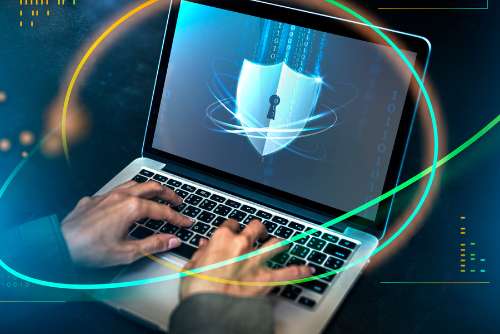



Cybersecurity threats are among the chief threats that small and developed businesses have to fight. Technological growth has created room for cyber attackers to execute their evil acts effectively. Here is an outline of the top five leading threats that every entrepreneur should never overlook.
1. Phishing Threats
Attackers mimic clients or an acquaintance to earn trust from the business owners. They lure victims into clicking on particular links, which turn out to be malicious. In some instances, an attacker persuades their targets to share their account security details and other personal information. They end up accessing bank accounts and transfer money, leaving the business on its knees.
Business owners must deploy email security measures to keep off the attackers. Be vigilant when processing post-deliveries. Avoid clicking on any strange links sent via email or any other medium.
2. Malware Threats
The attack comes carrying other malicious threats like the Trojan. Hackers develop them to access sensitive data via a company network. They exist in insecure websites and may come attached to spam emails.
Using reliable defense mechanisms such as an antivirus prevents smb cybersecurity threats. Companies should avoid download files from unknown websites. Scanning and cleaning all incoming emails keeps off the hackers.
3. Ransomware
Attackers gain access to a company’s network, encrypting data to lock the owners out of their systems. They demand the business owners pay a ransom to access the locked data. Companies end up losing money, as the data is worth more to the business operations.
Preventing the smb cybersecurity threats calls for businesses to invest in reliable security systems. The move restricts attackers from accessing the network by sealing any loophole that may exist. Such a measure allows a business owner to detect ransomware early and blocks it to save the situation.
4. Compromised Passwords
Using a weak or obvious password leaves a business vulnerable to attackers. Sharing the password is also a weak point, through which it leaks to third parties. If an attacker has it, accessing and distorting data is an easy task. Business owners should use complex passwords, avoid using obvious phrases and other cyberthreats protection tips. Changing the password more often is wise.
5. Internal Attacks
Employees gain access to sensitive company data. Situations arise, and malice takes charge, forcing such workers to go against their ethics. They may share data with the wrong people or distort it. Companies need only the executive team or a specific person to access passwords.
Cybersecurity threats have spread widely among numerous middle-sized and small businesses. They contribute the highest percentage to business losses across the world. Companies have lost a significant amount of money in the past few years to attacks. Such cyberthreats protection tips can help reduce the risks.

