






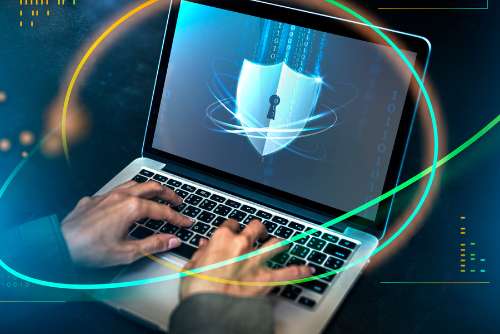



The rise of remote work has brought about a fundamental shift in how businesses operate, offering employees greater flexibility and freedom. However, this shift has also created new challenges for cybersecurity, as remote workers are often more vulnerable to cyber threats. In this article, we’ll explore some cybersecurity best practices for remote work to help you keep your data and systems secure.
1. Use Secure Connections
When working remotely, always use a secure internet connection, such as a VPN (Virtual Private Network), to encrypt your internet traffic and protect your data from eavesdropping and interception.
2. Keep Software Updated
Ensure that your operating system, applications, and antivirus software are regularly updated with the latest security patches to protect against known vulnerabilities.
3. Use Strong, Unique Passwords
Use strong, complex passwords for your accounts and avoid using the same password across multiple accounts. Consider using a password manager to securely store and manage your passwords.
4. Enable Two-Factor Authentication (2FA)
Enable two-factor authentication (2FA) for your accounts whenever possible to add an extra layer of security beyond just a password.
5. Be Wary of Phishing Attacks
Be cautious of unsolicited emails, messages, or links, especially those requesting sensitive information. Verify the sender’s identity before clicking on any links or downloading attachments.
6. Secure Your Home Network
Secure your home Wi-Fi network with a strong, unique password and encryption. Disable remote management features and regularly update your router’s firmware.
7. Use Secure File Sharing and Collaboration Tools
Use secure file sharing and collaboration tools that encrypt data both in transit and at rest, and ensure that only authorized users have access to sensitive information.
8. Educate Yourself on Cybersecurity Best Practices
Stay informed about the latest cybersecurity threats and best practices through training and awareness programs. Be vigilant and report any suspicious activity to your IT department.
Remote work offers many benefits, but it also presents new cybersecurity challenges. By following these best practices, you can help protect your data and systems while working remotely. Remember, cybersecurity is everyone’s responsibility, so stay informed and stay safe online.
How RiskAware Can Help with Your Remote Work Security Needs
At RiskAware, we understand the importance of cybersecurity in remote work environments. Our team of cybersecurity experts can help you implement and maintain best practices for remote work security, ensuring that your data and systems remain protected. Contact us today to learn more about how we can help enhance your remote work security posture.

